Spring Weights
What Recoil Spring Weight Actually Means
Plain-English on what spring weight is, and why it's the thing that actually changes how your gun runs.
"Weight" means stiffness, not how heavy it is
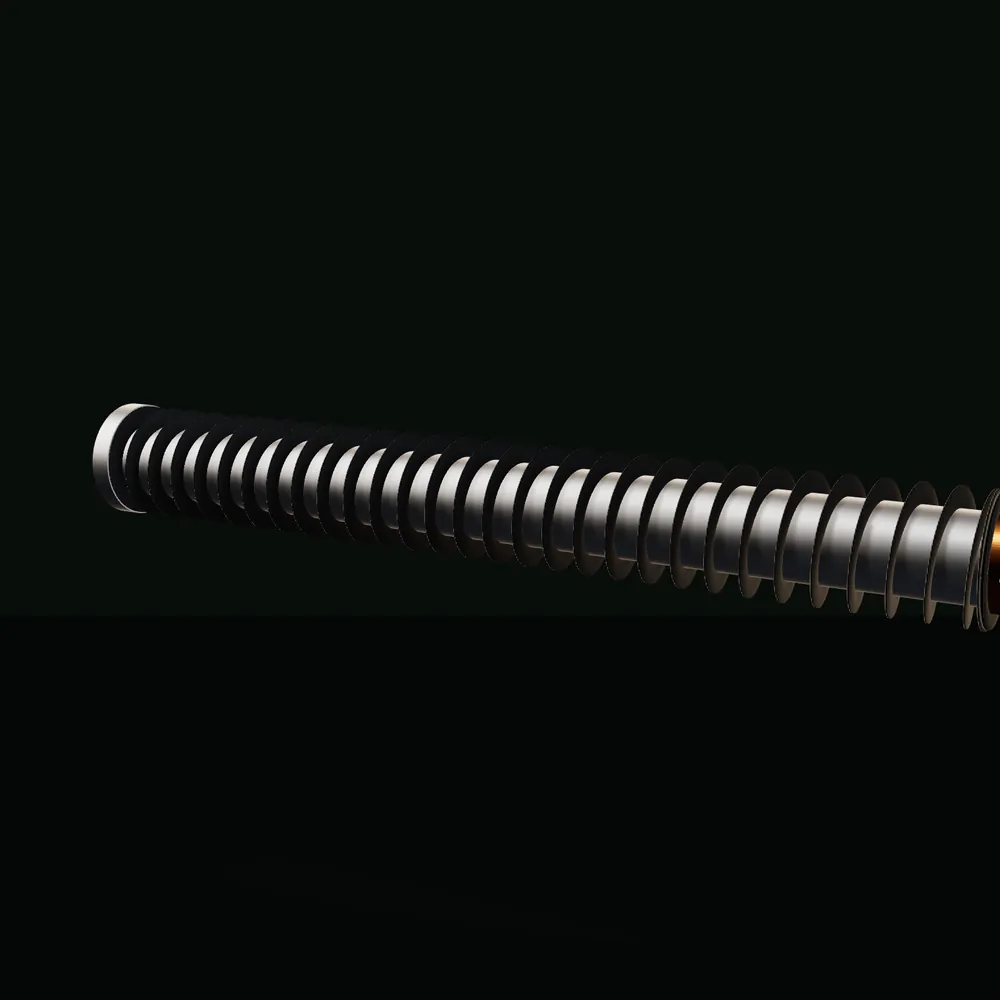
When you see an 18 lb or a 13 lb recoil spring, that number is how hard it pushes back, not what the spring weighs on a scale. An 18 fights the slide harder than a 13. That stiffness is what decides how much of the slide's energy the spring soaks up and how hard it slams the slide back into battery.
What it does every time you pull the trigger
The shot drives your slide back; the recoil spring — riding on the guide rod — catches that energy and throws the slide forward to strip and chamber the next round. Go heavier and the slide gets stopped sooner and shoved home harder, which is great for hot ammo but can leave weak loads short-stroking. Go lighter and the slide runs faster and cycles soft ammo fine, but hot ammo lets it slam the frame harder. The sweet spot is the weight that runs your ammo clean without beating up the gun.
The rod holds it straight — the spring does the work
The guide rod doesn't store any energy. It keeps the spring from kinking and gives it a seat. Spring weight is the knob you actually turn to change how the gun behaves; the rod is the rigid, correctly-sized platform it rides on. NDZ offers a range of weights per platform, plus a Tuner Pack with all of them so you can test.
FAQ
- Does a higher-poundage spring weigh more?
No — the number is stiffness, not mass. An 18 lb spring pushes back harder than a 13 lb; on a scale they weigh about the same.
- Spring weight or the guide rod — which one changes how my gun shoots?
Spring weight, by a mile. The rod keeps the spring straight (and adds a bit of front weight in steel form), but the spring is what you tune to your ammo and how you shoot.
Shop NDZ Guide Rods